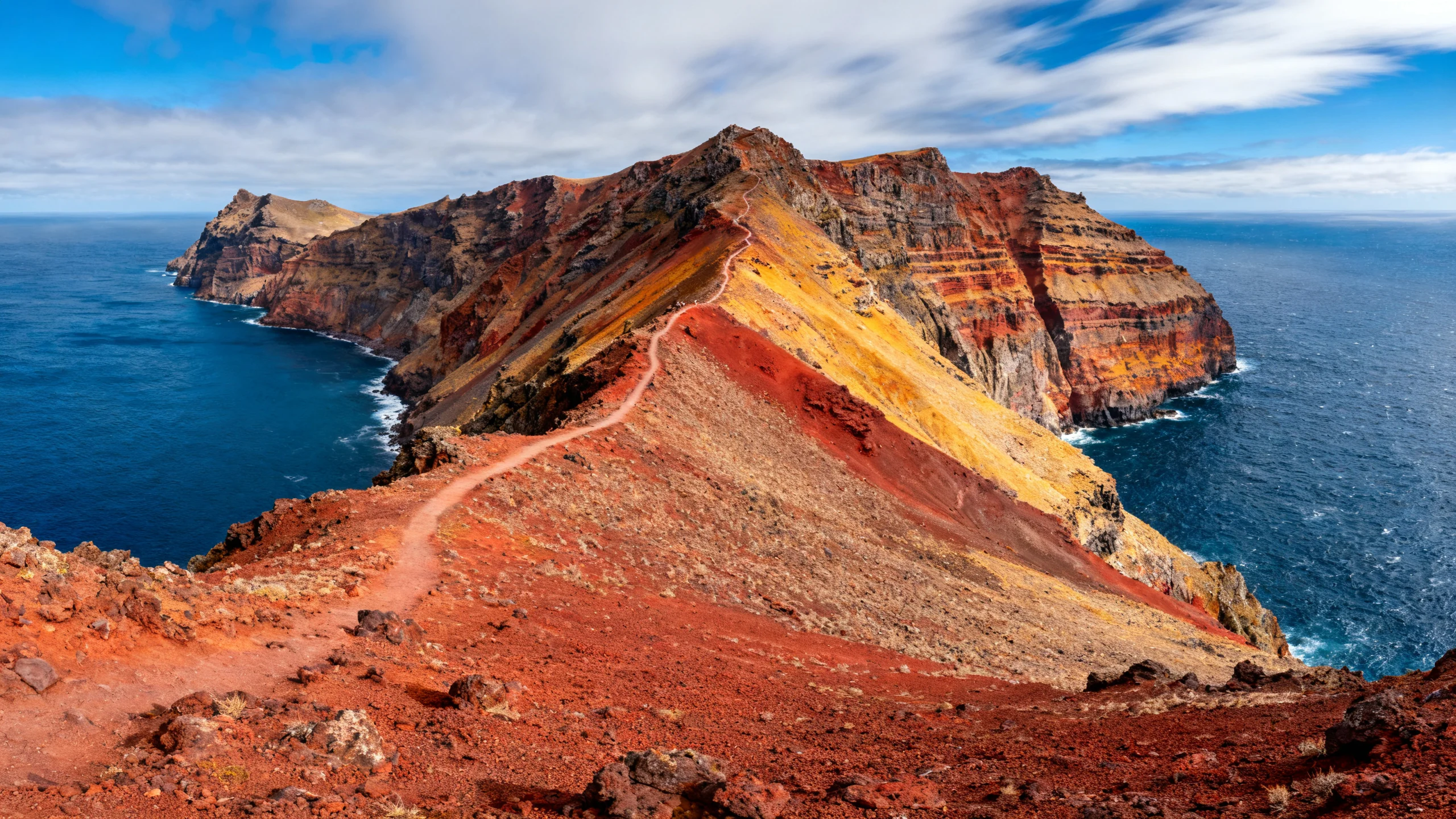
The east is where Madeira runs out of mountain. Machico, the island's second town and the spot where the first settlers came ashore, sits in a wide bay near the airport. Beyond it, Caniçal keeps its fishing-port character, and the land narrows into the Ponta de São Lourenço, a treeless, ochre-and-red peninsula that looks more like a desert coast than the green island behind it.
The east is compact, easy to reach and easy to fold into the start or end of a trip, since the airport sits right in the middle of it. It is also the part of Madeira that looks least like the rest of the island. As the central mountains run out, the land dries, flattens and turns from green to rust, until at the Ponta de São Lourenço it ends in a bare, wind-scoured peninsula of red and ochre rock with the Atlantic on both sides.
This guide covers what the east is good for, the sights and the signature walk, where to stay, and how much time the region needs.
Should you make time for the east
The east is rarely anyone’s main reason to visit Madeira, but it slots in neatly. With the airport at its centre, it is the obvious place to spend a first or last day without a long transfer. It also has one distinctive draw: the Ponta de São Lourenço peninsula, whose bare-rock landscape exists nowhere else on the island and whose out-and-back trail is one of Madeira’s most rewarding walks.
Add the historic town of Machico, the fishing-village character of Caniçal, and a couple of beaches, and the east is comfortably worth a day, more if you want the peninsula walk done at an unhurried pace.
Getting your bearings
The east is small and the road follows the coast. Caniço and Garajau, just east of Funchal, come first, with a clifftop Christ statue and a protected dive site offshore. Machico, the region’s main town, sits in a wide bay around the midpoint, close to the airport. East of it, Caniçal is the last real village before the road runs out at Baía d’Abra, the car park where the Ponta de São Lourenço trail begins. To the north, Porto da Cruz sits below the great monolith of Penha de Águia, on the boundary with the north coast.
Top things to do in the east
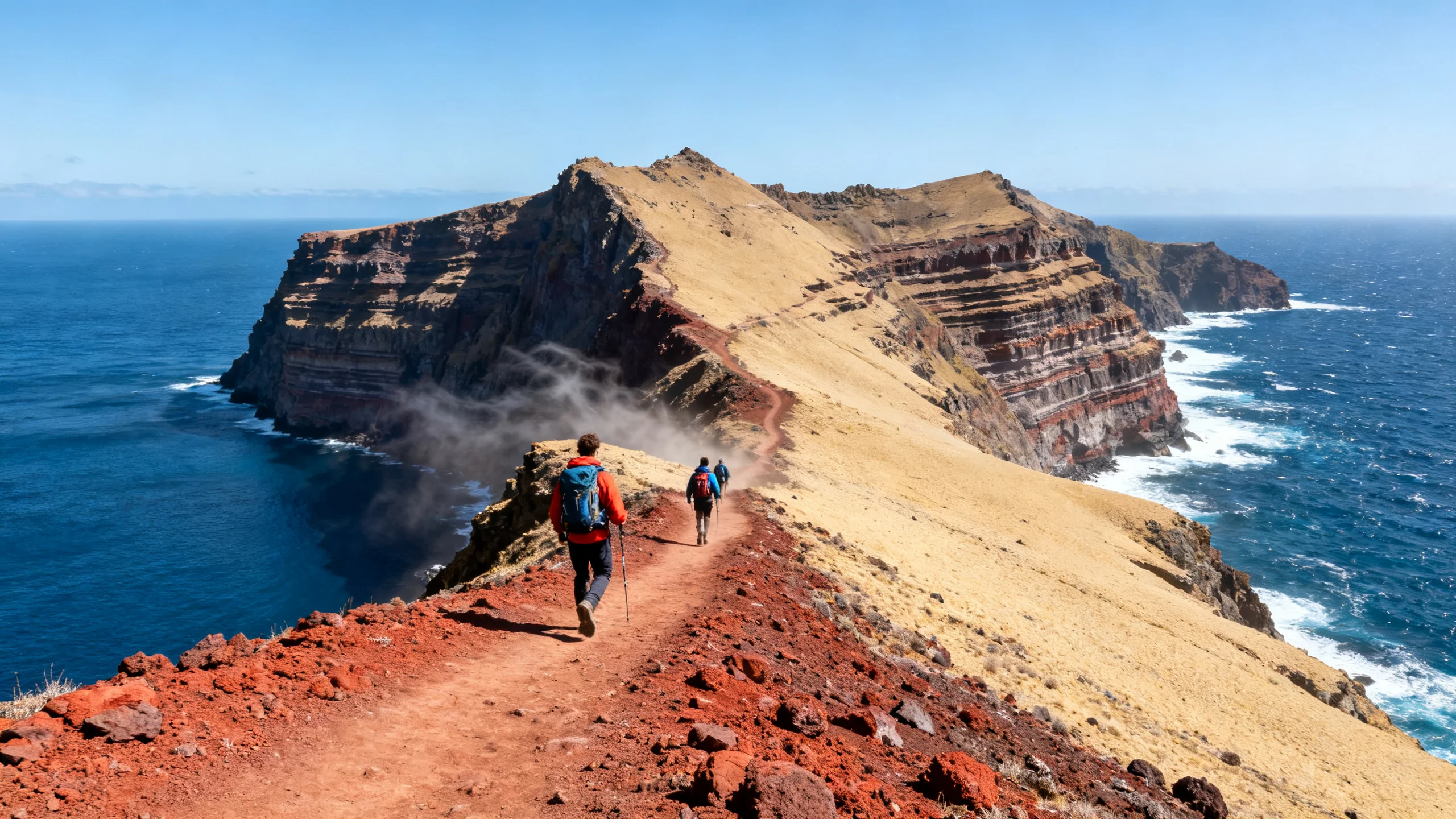
The Ponta de São Lourenço hike. The signature walk of the region, and the surprise of the east. From the Baía d’Abra car park, a marked out-and-back trail runs along the spine of the peninsula, exposed and shadeless, the volcanic geology laid bare in reds, ochres and rust, the ocean on both sides. It is one of the most distinctive walks on Madeira and the reason most visitors give the region a full day. Bring water, sun cover and wind protection: there is no shade and the wind rarely stops.
Machico. The first place the Portuguese settled, in the early fifteenth century, Machico has a relaxed bay with a swimming beach (imported golden sand), a quiet historic core around its parish church, and a small seafront fort. It is an easy, low-key town for a meal and a wander.
Caniçal and the Whale Museum. Caniçal still feels like a fishing village rather than a resort. Its modern, well-presented whale museum tells the story of an island whaling industry that only ended in the early 1980s, and of the conservation work that followed. Nearby, Prainha is one of Madeira’s few natural sand beaches, small and dark-sanded.
Porto da Cruz and the rum distillery. On the northern edge of the region, Porto da Cruz sits beneath Penha de Águia, the “Eagle Rock”. The village has a working distillery that still presses sugarcane to make aguardente, the cane spirit at the base of Madeira’s poncha, and is open to visitors in the cane season.
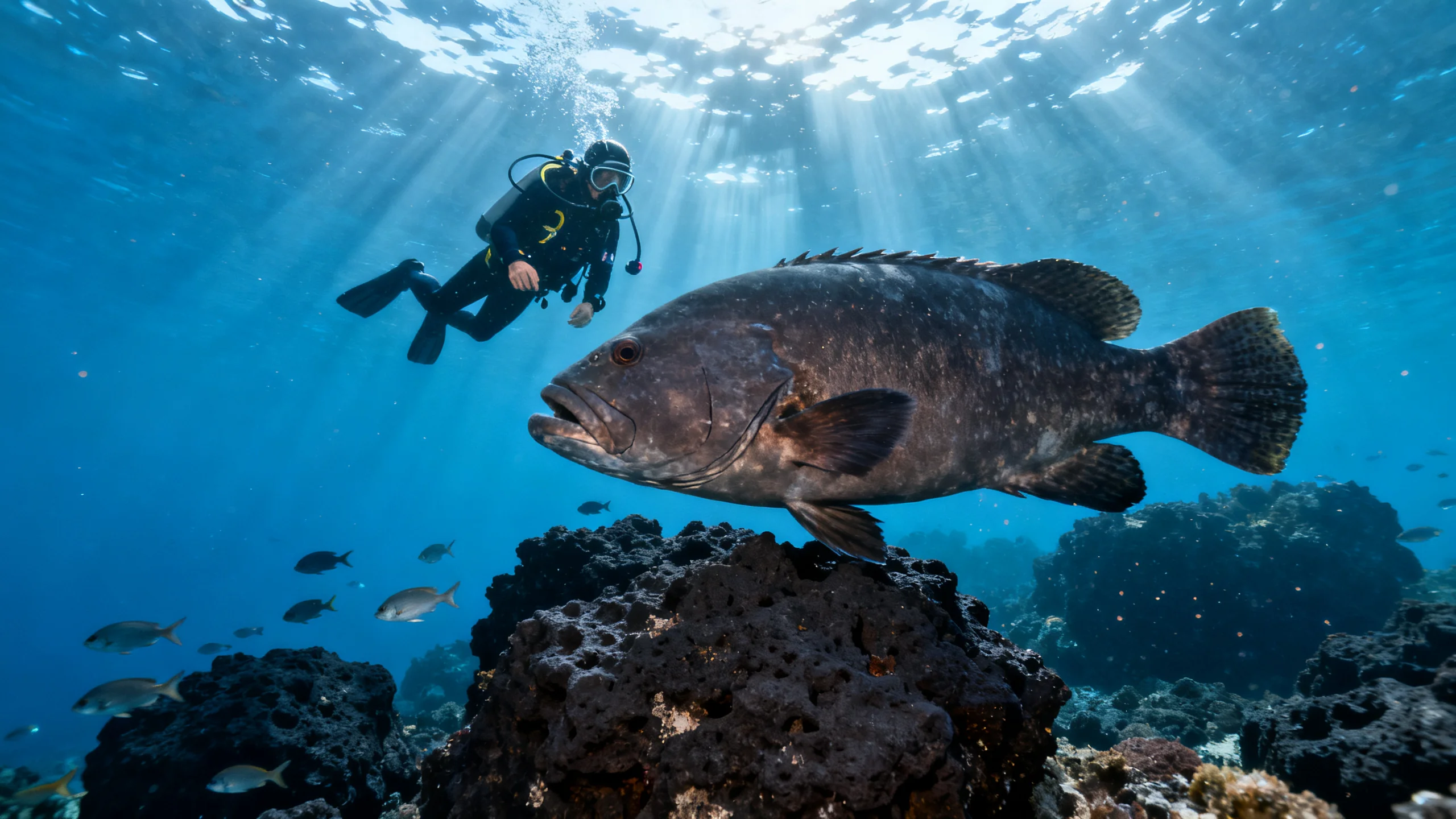
Garajau marine reserve. Off the cliffs at Garajau, below the outstretched arms of a clifftop Christ statue, lies one of Portugal’s oldest protected marine areas. Clear water and large resident groupers make it a well-known spot for diving and snorkelling.
Where to stay
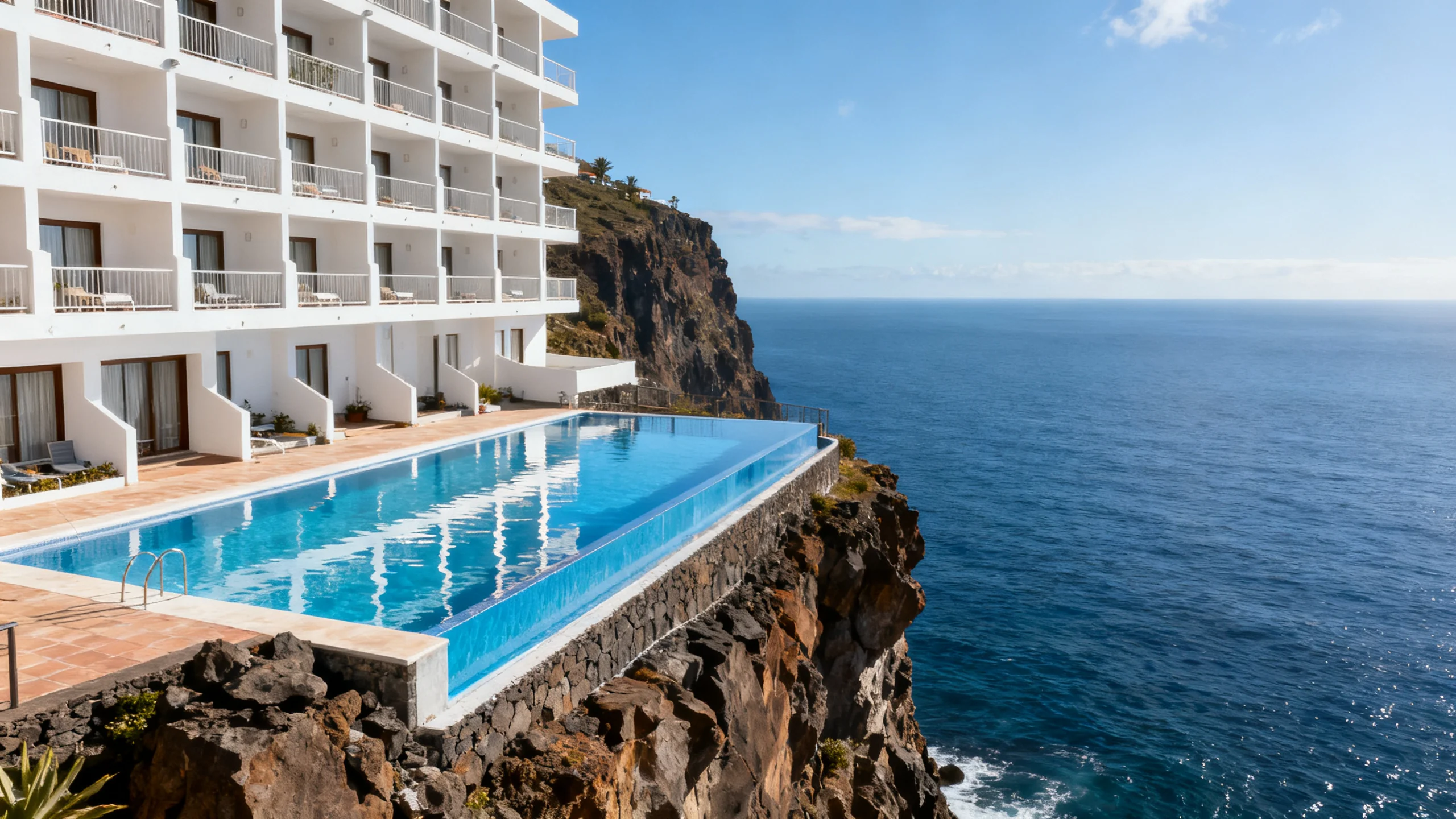
The east is a sensible base for the first or last night of a trip, given the airport. Caniço, and the resort strip of Caniço de Baixo below it, has the largest concentration of hotels, close to Funchal but quieter and cheaper. Machico has a smaller selection of hotels and guesthouses around its bay, handy for an early start on the Ponta de São Lourenço walk. Beyond Caniçal, a self-contained marina resort is the choice for a quieter, more isolated stay. Many visitors, though, treat the east purely as a day trip from Funchal.
Getting there and around
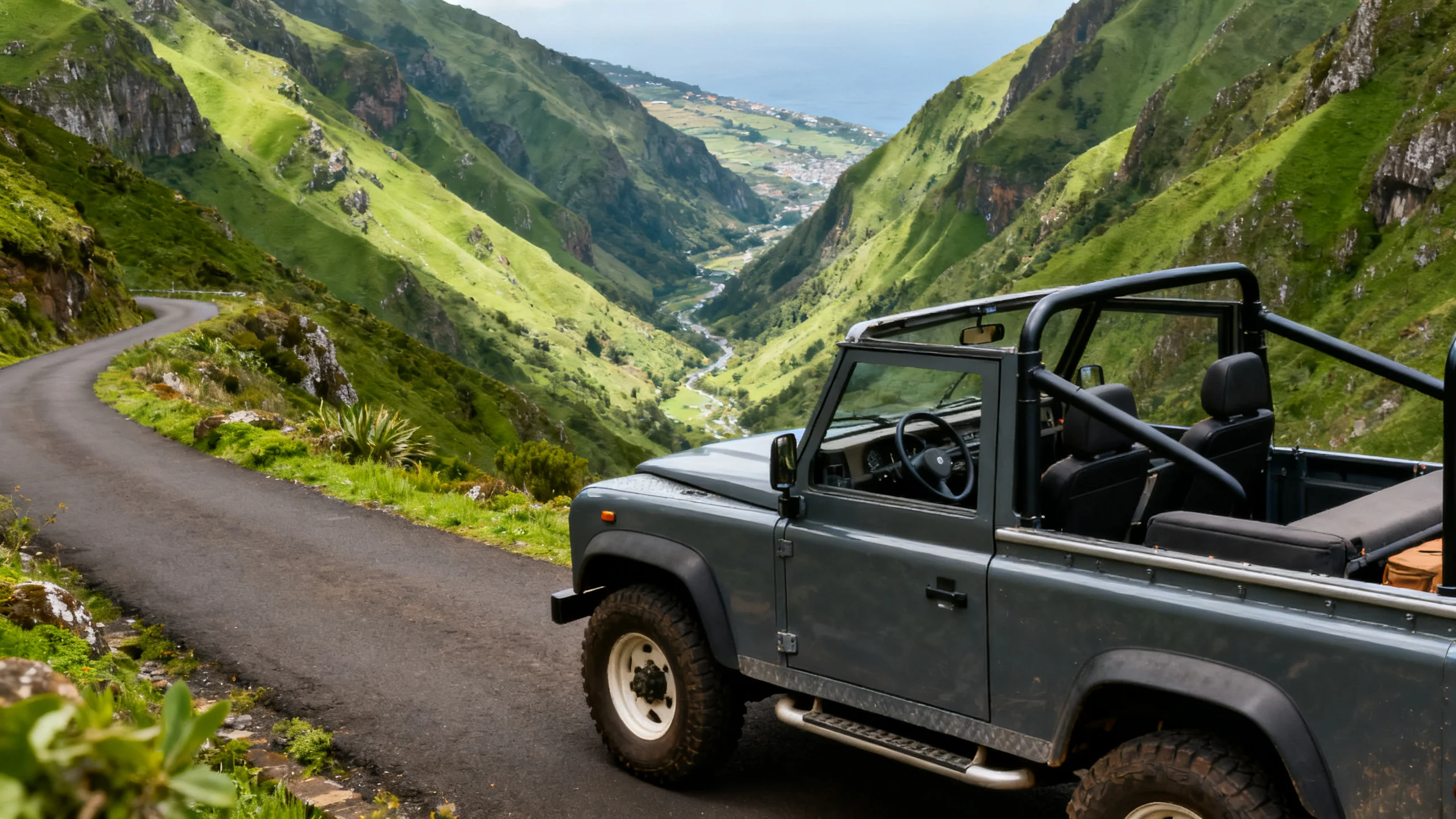
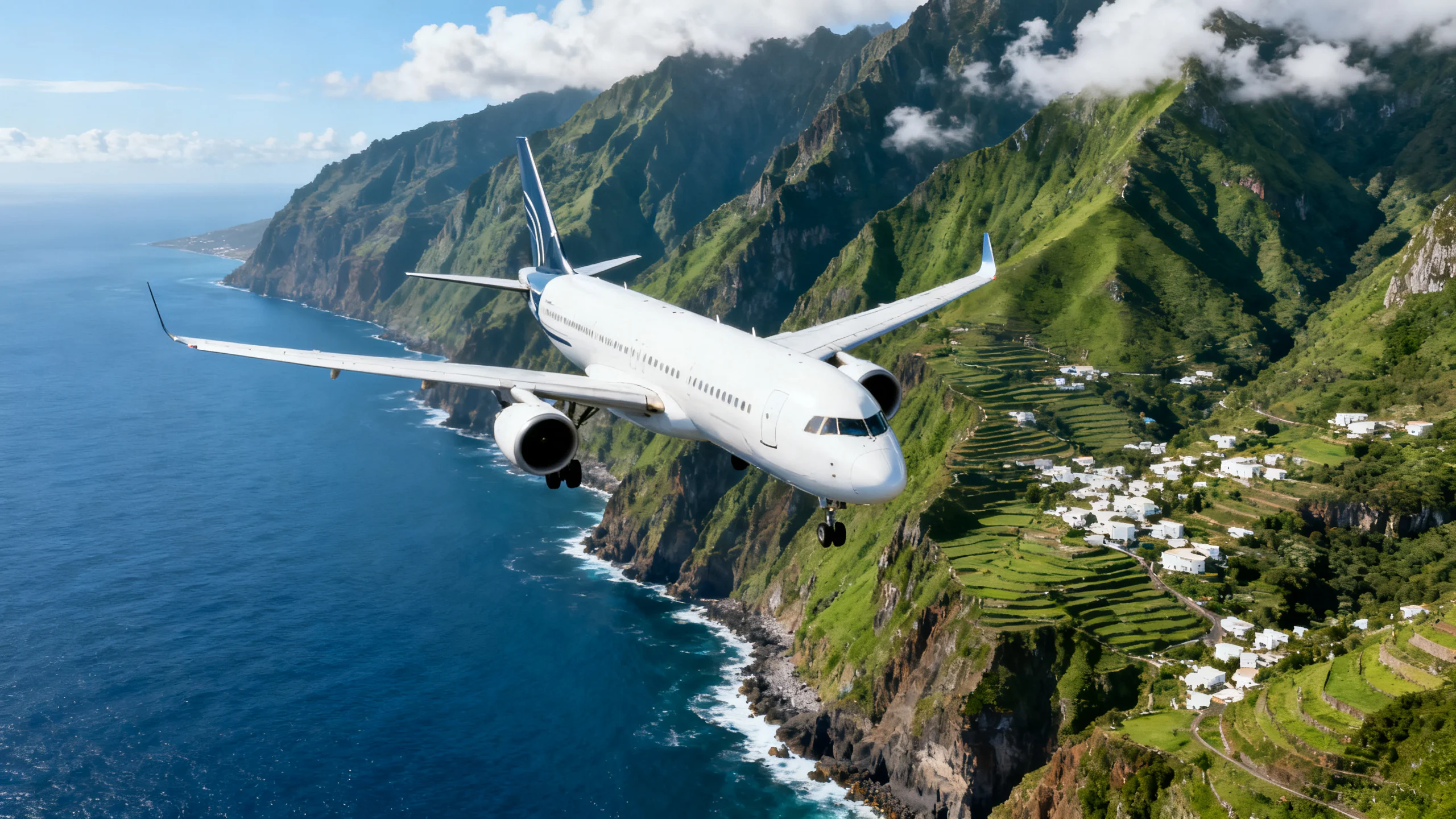
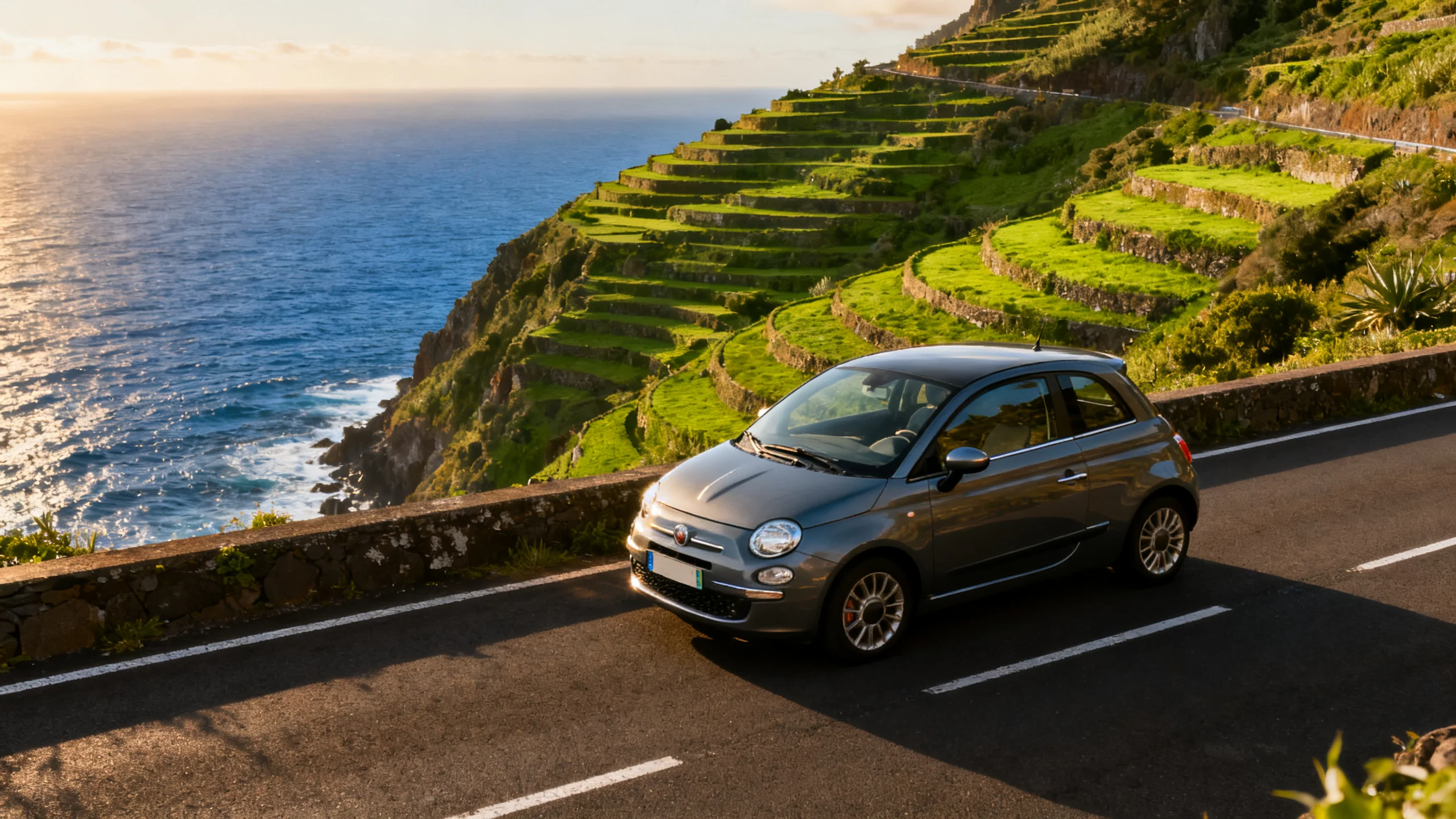
The east is the easiest region to reach. The airport is in the middle of it, and the south-coast expressway links Funchal to Machico in around 25 minutes and to Caniço in less. A car is still the most flexible way to explore, particularly for reaching the Baía d’Abra trailhead beyond Caniçal, though Caniço and Machico are well served by buses from Funchal.
How much time to give it
Half a day covers Machico and Caniçal at a stroll. Add the Ponta de São Lourenço walk, around three hours there and back at a steady pace, and the east fills a full, satisfying day. Because of the airport, it is also the natural place to spend arrival or departure day, walking the peninsula before an afternoon flight.
Best time to visit
- April–June and September–October: the best months for the peninsula walk: warm but not punishing, with comfortable light.
- July–August: hot and exposed on the trail, busiest at the beaches; do the walk at dawn or save it for the cooler months.
- November–March: mild and quieter. The peninsula is windy and can be wet, but the east stays drier than the north, and Machico is a pleasant off-season town.
Frequently asked questions
How hard is the Ponta de São Lourenço walk?
It is moderate: well-marked, with some ups and downs and a few exposed sections, but no technical difficulty. The bigger factors are the total lack of shade and the persistent wind. Allow about three hours there and back, wear proper footwear, and carry water and sun protection.
Is the east a good place to stay near the airport?
Yes. The airport sits in the east, so Machico and Caniço both make easy first- or last-night bases with a short transfer. Caniço has the most hotels and stays within easy reach of Funchal; Machico is handy if you want to walk the Ponta de São Lourenço before flying out.
Are there real beaches in the east?
A few, by Madeira’s modest standards. Machico has a sheltered swimming beach of imported golden sand, and Prainha near Caniçal is one of the island’s rare natural sand beaches, small and dark-sanded. Caniço de Baixo swims mostly from sea-access platforms rather than sand.
Why does the east look so different from the rest of Madeira?
The eastern peninsula has no high ground to trap the cloud and rain that keep the rest of the island green. With far less moisture, the vegetation thins out and the bare volcanic rock, in reds, ochres and rust, is fully exposed. It is geologically among the oldest parts of Madeira, and it shows.