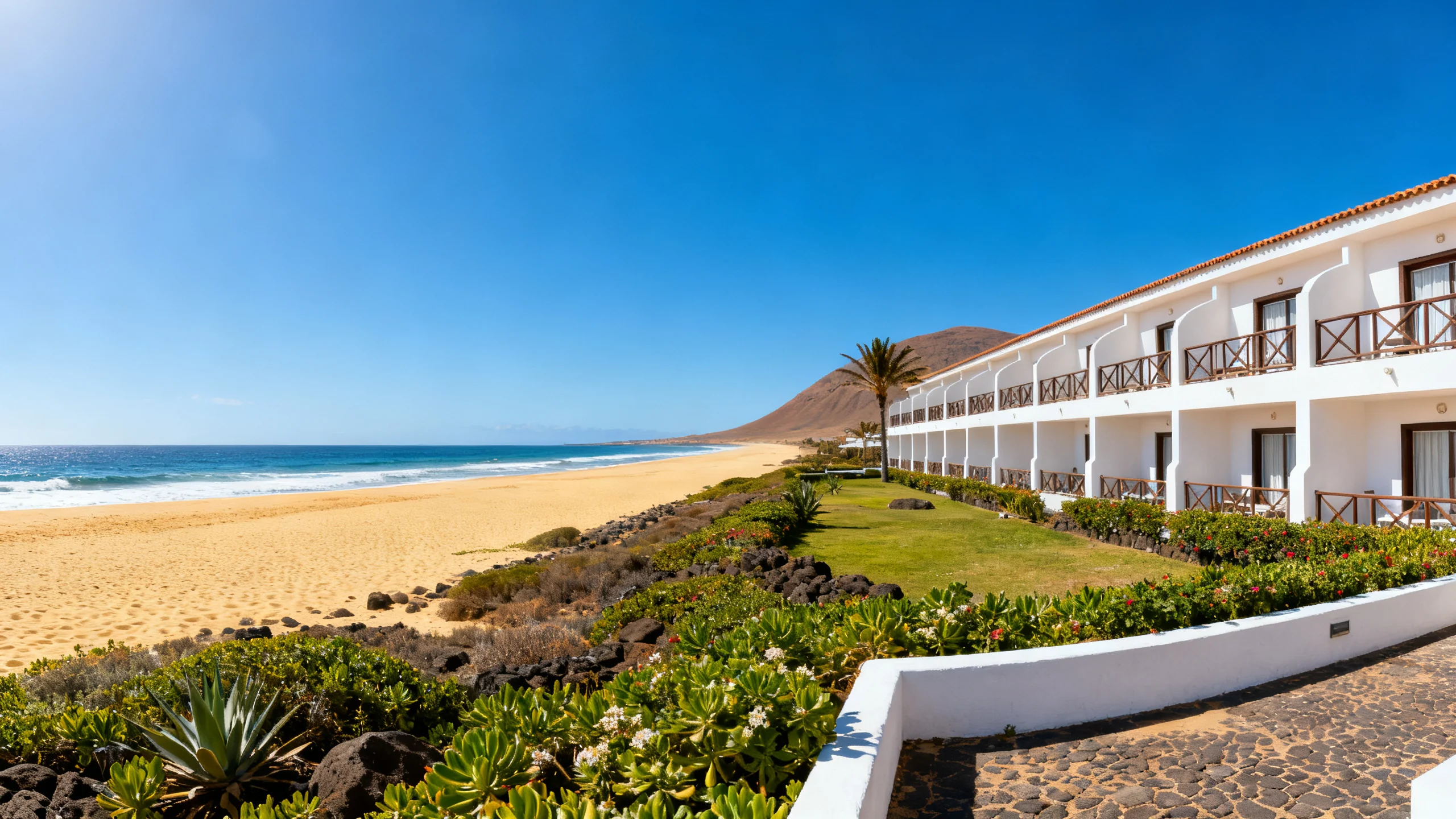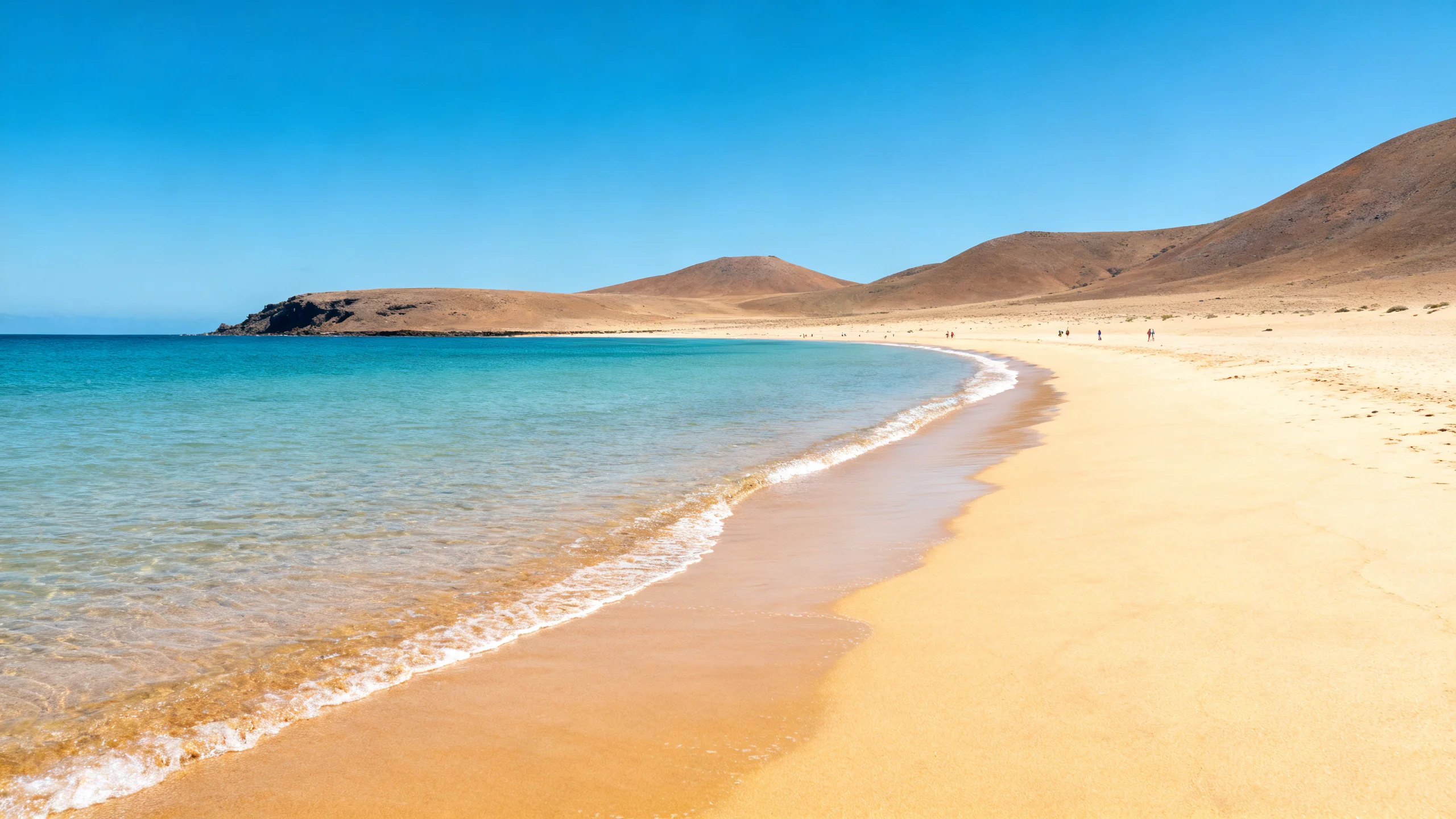
Porto Santo is the opposite of mainland Madeira. Where the main island is steep, green and rocky, its smaller sister is flat, dry and built around a single, uninterrupted beach: nine kilometres of fine golden sand running the length of the south coast. Reached by ferry or a short flight from Funchal, it offers the straightforward beach holiday that Madeira itself does not really do.
Porto Santo lies about 40 kilometres north-east of Madeira, and it answers the one thing the main island cannot. Madeira is dramatic but short on sand; Porto Santo is built around a single arc of soft golden beach, nine kilometres long, shallow and calm. The island is flat, dry and small, the pace is slow, and the whole point of coming is to stop moving for a while.
This guide covers what Porto Santo is good for, how to get there, what to do beyond the beach, where to stay, and how much time to give it.
Should you visit Porto Santo
It depends on what you want. If your trip is built around hiking, levadas and mountain scenery, Porto Santo adds little, and you could skip it. If you want a real beach day or two, or a slower coda to an active Madeira trip, it is the missing piece. The beach is the genuine article: long, sandy, gently shelving and warm-watered, with none of the rock and pebble of the main island.
The island also has a quiet, end-of-the-world charm. Outside the summer peak it is sleepy almost to a fault, which is either the appeal or the drawback, depending on your mood.
Getting your bearings
Porto Santo is small, roughly 11 kilometres long, and easy to read. Vila Baleira, the only town, sits in the middle of the south coast, where the beach is. The nine-kilometre beach runs the length of that coast, with the main hotels strung along it. Inland the land rises into dry, rolling hills and a couple of low peaks; the golf course occupies the open uplands. The north and west coasts are wilder, with cliffs and viewpoints, and the calm south-western tip ends at Ponta da Calheta.
How to get to Porto Santo
There are two ways across from Madeira, and the choice matters.
The ferry. The Porto Santo Line runs a passenger and car ferry from Funchal, a crossing of a little over two hours each way. It carries vehicles, which is useful for a multi-day stay, and on a clear day the approach to the long pale beach is a sight in itself. The open Atlantic between the islands can be lively, though. If you are prone to seasickness, take that seriously.
The flight. A short hop of about 15 minutes connects Madeira Airport with Porto Santo Airport. It is the fast, smooth option, and the obvious one for anyone tight on time or unsure of their sea legs.
A ferry day return gives you roughly seven hours on the island, enough for the beach and a look at Vila Baleira, but tight. For anything more relaxed, stay a night or two.
Top things to do on Porto Santo
The beach. This is the headline, and it delivers: nine unbroken kilometres of fine golden sand, calm shallow water, and space even in summer. The sand has a long-standing local reputation for therapeutic properties, and warm-sand treatments are part of the island’s wellness offer.
Vila Baleira. The capital is a small, low-key town of whitewashed houses and a palm-lined main square. Its modest house-museum is tied to Christopher Columbus, who lived on Porto Santo after marrying the daughter of the island’s first governor, a genuine if brief brush with history.
Golf. The 18-hole Porto Santo course, laid out across the dry uplands with sea views, is well regarded and rarely crowded. It is one of the main reasons some visitors come specifically for the island rather than the main one.
The viewpoints and peaks. The low summits behind Vila Baleira give wide views over the beach, the island and the Atlantic, with Madeira itself on the horizon on a clear day. One pine-clad peak is crowned by an old lookout built against pirate raids.
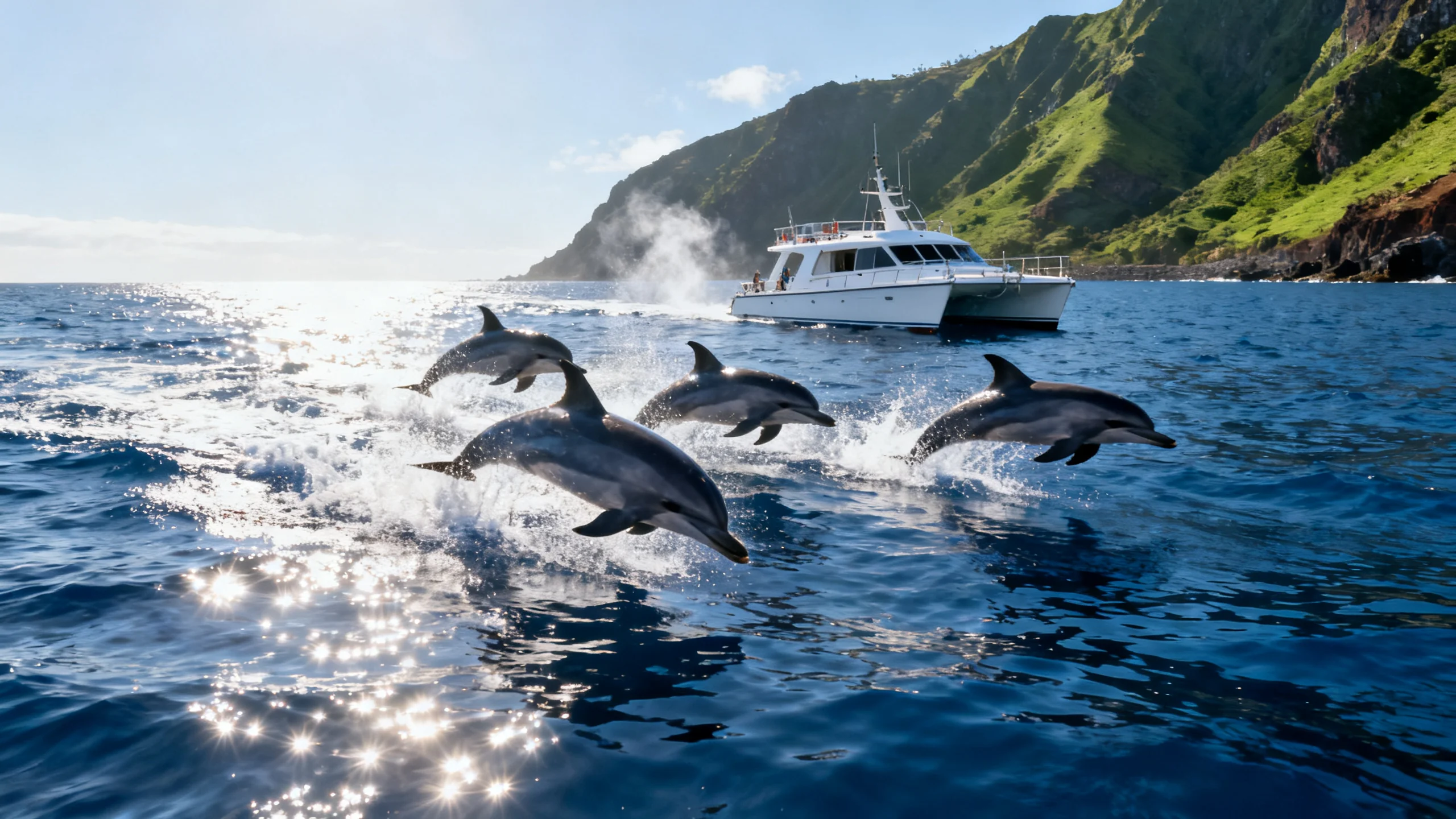
Fonte da Areia and the wild coasts. Away from the beach, the north and west coasts are rugged and quiet, with wind-sculpted sandstone cliffs and a famous spring at Fonte da Areia. Boat trips circle the island and its outlying islets.
Where to stay
Most of Porto Santo’s hotels line the beach near Vila Baleira and along the south coast, a mix of larger resort hotels and smaller guesthouses and apartments. Staying on the island, rather than day-tripping, lets you have the beach in the early morning and evening, after the day visitors have gone, which is when it is at its best.
Getting around
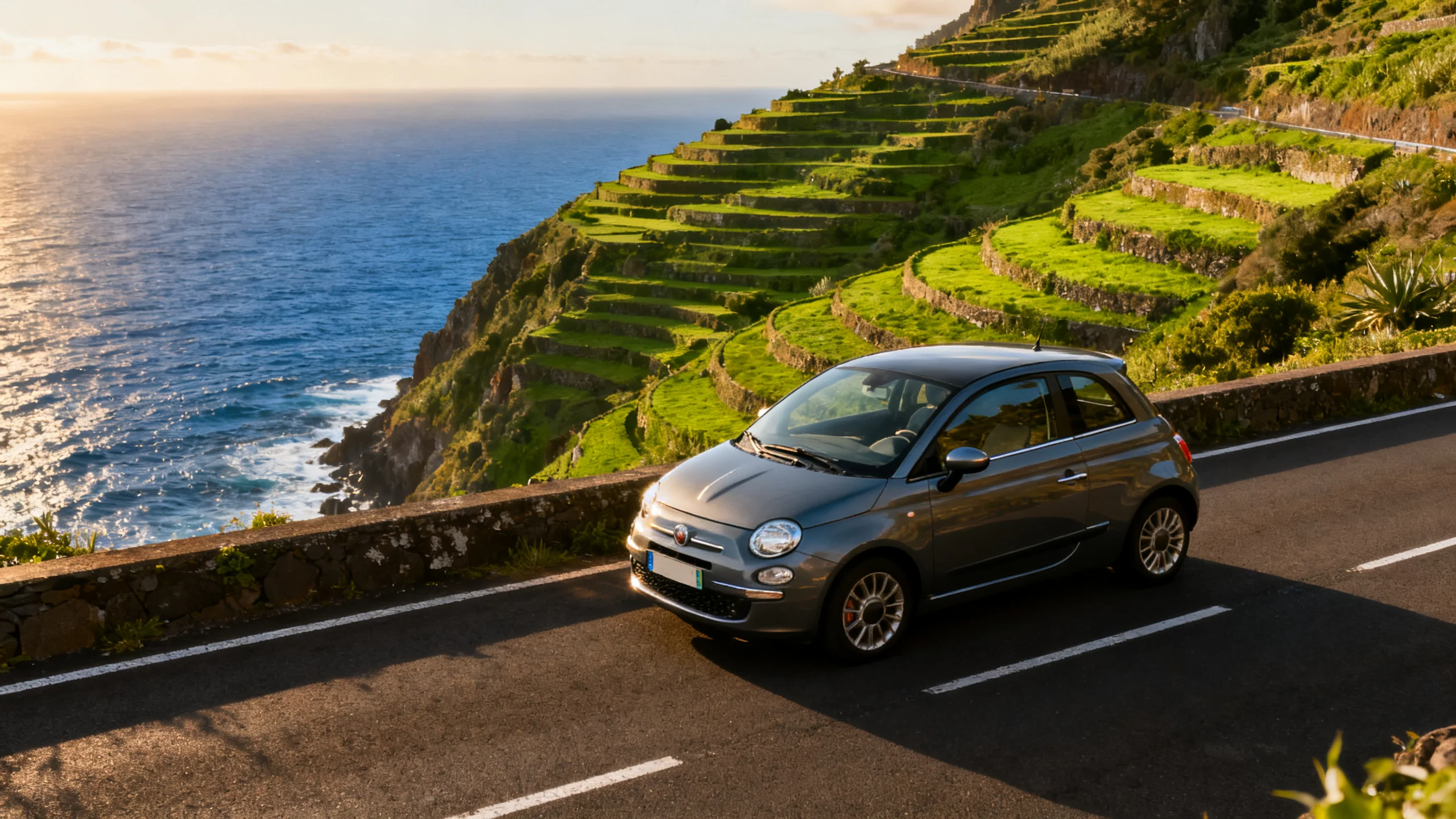
The island is small enough that you may not need a car. Vila Baleira and the nearer hotels are walkable to the beach, and taxis are cheap for the rest. For the viewpoints, the wilder coasts and the golf course, a hire car, a scooter or a bicycle all work, and the gentle terrain makes cycling a real pleasure. If you bring a car over on the ferry, you will have everything covered.
How much time to give it
A day trip works if you only want the beach and a glimpse of Vila Baleira. One to three nights is the sweet spot: long enough for the island’s slow rhythm to take hold, for a round of golf or a circuit of the viewpoints, and for the beach at its quiet hours. Beyond three or four days, only committed beach-and-quiet travellers will want to linger.
Best time to visit
- June–September: the warmest sea and the proper beach season. August is the busiest by a clear margin.
- April–May and October: mild, sunny and calm, with a swimmable but cooler sea, good for golf, walking and a quieter beach.
- November–March: Porto Santo stays mild and sunny but sleepy; some hotels and restaurants reduce hours, and the ferry schedule thins, with a maintenance break to plan around.
Frequently asked questions
Is Porto Santo worth visiting on a Madeira trip?
If a real beach day matters to you, yes: Madeira itself has very little sand, and Porto Santo is the answer. If your trip is all about hiking and mountain scenery, it adds less and can be skipped. Many visitors treat it as a relaxed two-night coda after an active week on the main island.
Ferry or flight to Porto Santo?
The ferry takes a little over two hours, carries cars, and gives you the scenic approach, but the crossing can be rough. The flight is about 15 minutes and much smoother. Choose the flight if you are short on time or prone to seasickness; choose the ferry if you want to bring a car or simply enjoy the sea passage.
Can I do Porto Santo as a day trip?
You can. A ferry day return leaves you roughly seven hours on the island, fine for the beach and a look at Vila Baleira, but rushed for much more. The island is at its best early and late in the day, so an overnight stay rewards you with the quietest hours on the beach.
Do I need a car on Porto Santo?
Not necessarily. The town and the main beach hotels are walkable, and taxis are cheap. A hire car, scooter or bicycle is useful for the viewpoints, the wilder coasts and the golf course. The flat, gentle terrain also makes Porto Santo one of the rare places in the Madeira archipelago that is a real pleasure to cycle.