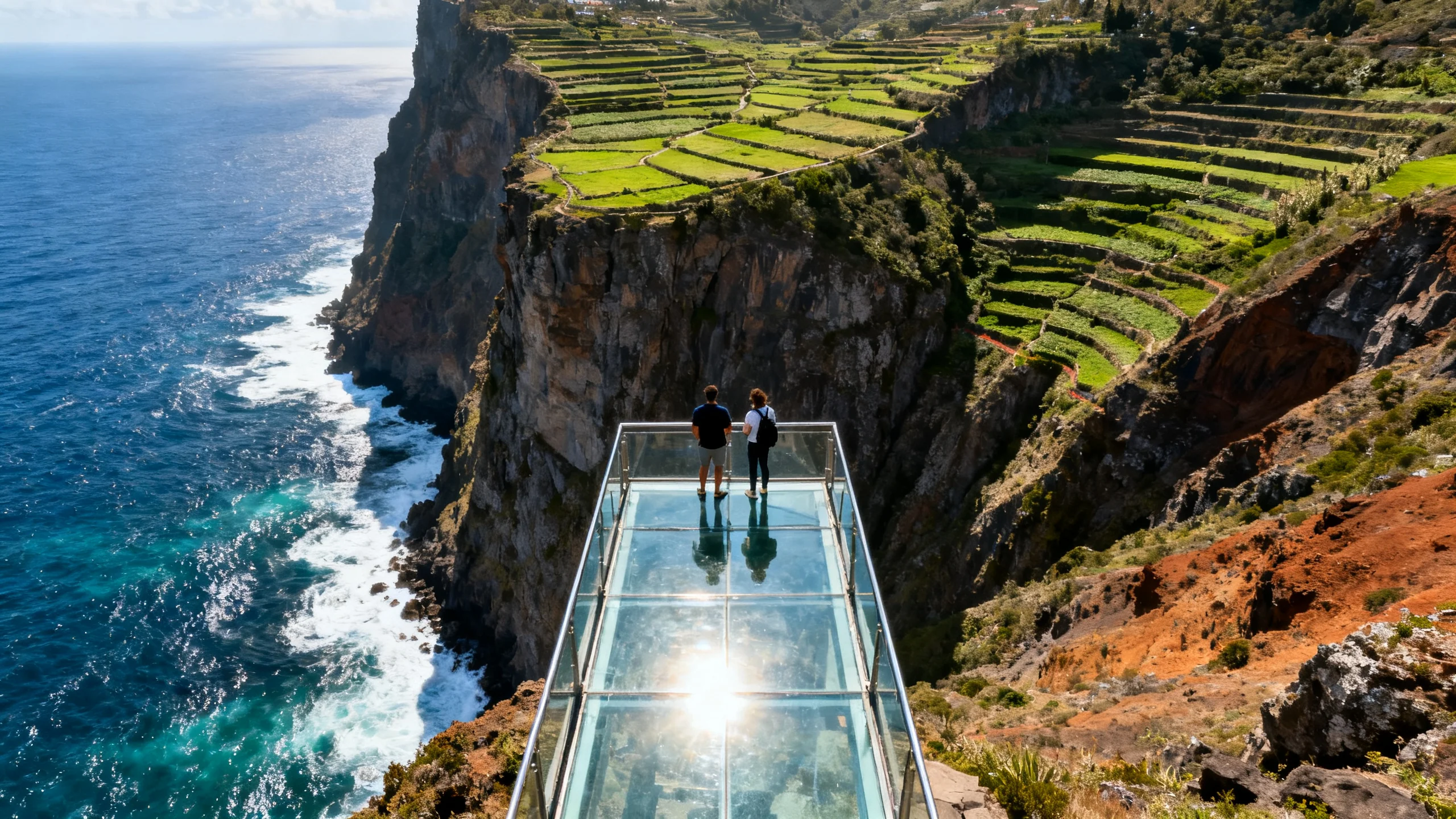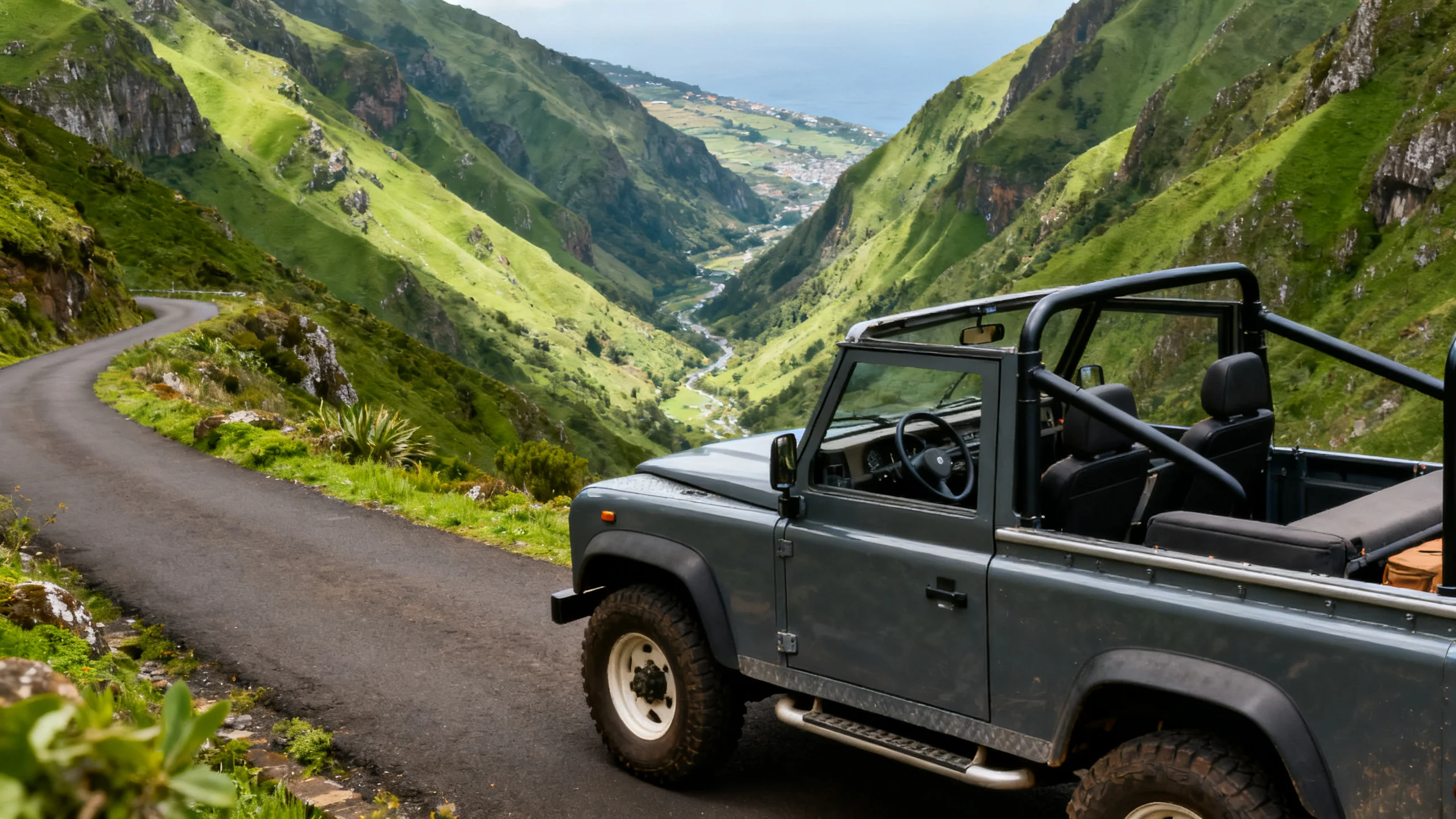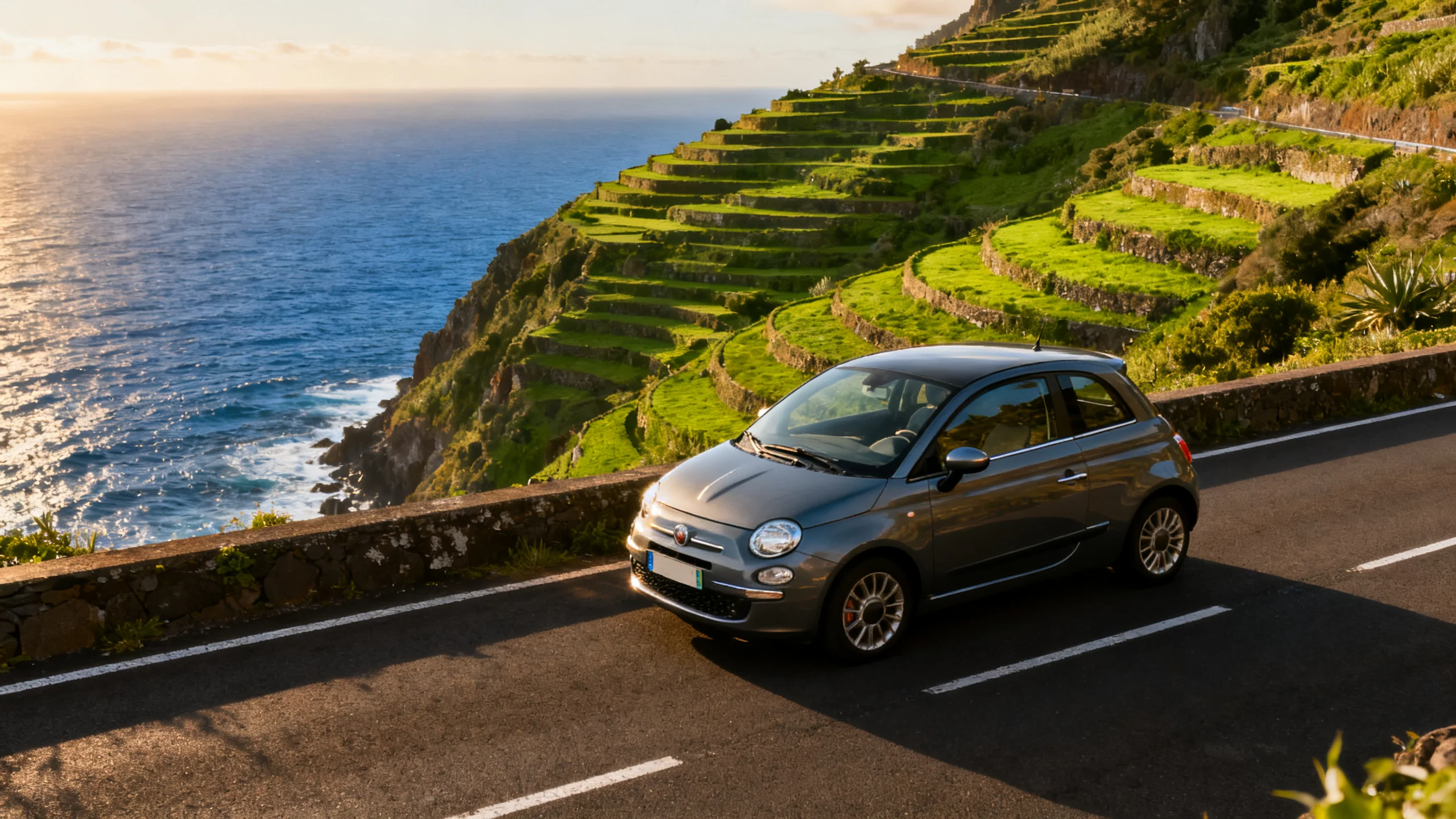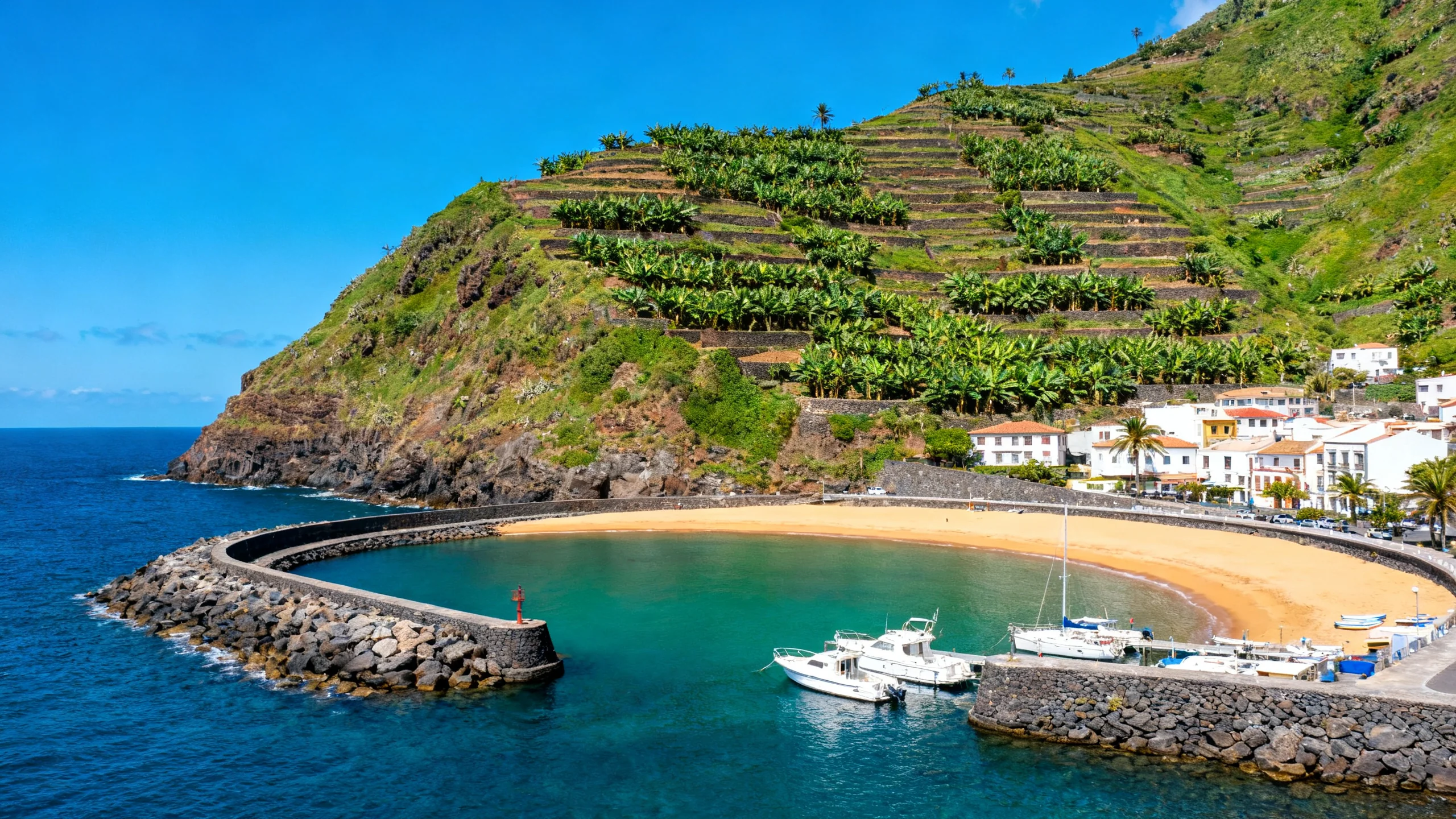
The west is the driest, sunniest part of Madeira. The south-facing coast around Calheta and Ponta do Sol catches the best of the weather, while inland the land rises to the Paul da Serra, a high, windswept moorland plateau unlike anywhere else on the island. Several of Madeira's finest levada walks start up here, which makes the region as much a base for hikers as for sun-seekers.
If you want to combine walking with a real chance of reliable sun, the west is the part of Madeira to head for. The coast here faces south and sits in a rain shadow, so Calheta and Ponta do Sol stay bright while cloud piles up over the mountains. Inland, the land climbs to the Paul da Serra, a flat, treeless plateau that often floats above the cloud and feels like a different country from the green terraces below.
This guide covers what the west is good for, the sights and walks worth your time, where to stay, and how much time to give the region.
Should you make time for the west
The west earns its place on a Madeira trip for two reasons that rarely overlap elsewhere: it has the island’s best weather odds and the trailheads for some of its finest walks. Calheta has the most usable beach on Madeira, Ponta do Sol has a long-standing reputation as the sunniest town, and the laurel forest and plateau above hold levada routes that walkers travel to the island specifically to do.
It is also the quietest stretch of the south coast: slower, lower-key, and well suited to travellers who want a calm base rather than a busy one. Pair a serious morning walk with an afternoon on the Calheta sand and you have seen the best of the region.
Getting your bearings
The west has two distinct layers. The lower one is the coast: a string of sheltered, sunny towns below terraced banana plantations, running from Ribeira Brava at the eastern gateway through Ponta do Sol, Madalena do Mar and Calheta to the small surf villages of Jardim do Mar and Paul do Mar. Above them rises the Paul da Serra, a high moorland plateau of grazing land and wind turbines, the largest flat expanse on the island. From the plateau, roads drop into the laurel forest and down to the levada trailheads. The far western tip, beyond Calheta, ends at the cliffs and lighthouse of Ponta do Pargo.
Top things to do in the west
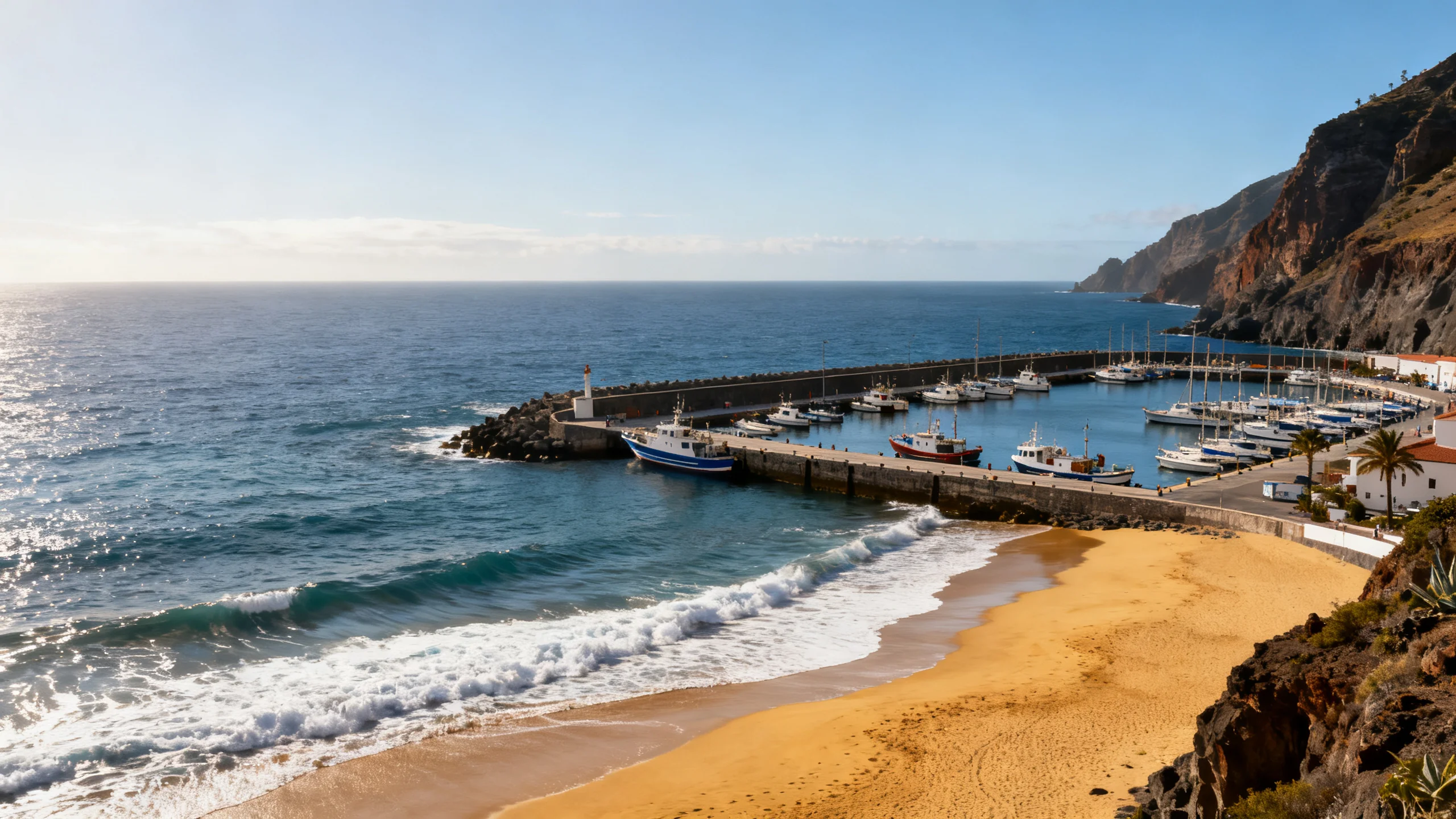
Calheta beach. Madeira has very little natural sand, so Calheta built its own: golden sand shipped in and held between two breakwaters, making a calm, sheltered swimming beach next to a small marina. It is the most reliable sunbathing spot on the main island, busy in summer and pleasant out of season.
Ponta do Sol. An unhurried town of steep streets and a pebble beach, with a micro-climate that has earned it the name “point of the sun”. It has become a favourite for longer, slower stays and, more recently, for remote workers drawn by the light and the calm.
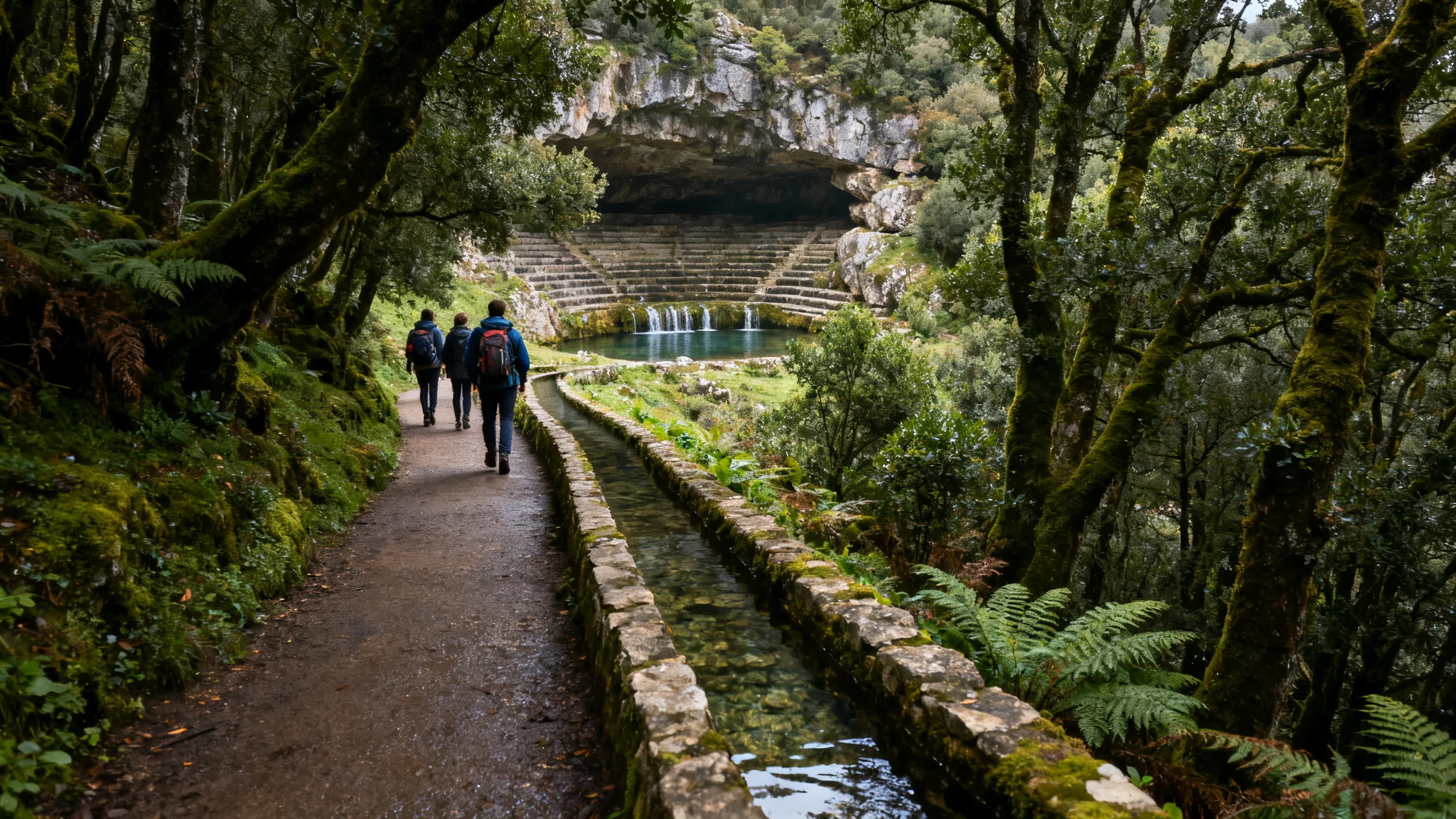
The 25 Fontes levada walk. The best-known walk in the region starts from Rabaçal, in the laurel forest below the plateau, and follows a levada to a rock face streaming with springs and a waterfall pool. It is Madeira’s most popular waterfall hike for good reason. See the dedicated 25 Fontes levada walk guide for the route, difficulty and timing.
The Paul da Serra plateau. Driving up onto the plateau is an experience in itself: the terraces and forest give way to open, treeless moorland, often above the cloud, grazed by sheep and cattle and lined with wind turbines. It is the strangest landscape on Madeira and the gateway to the high walks.
Fanal. On the edge of the plateau, the ancient, gnarled laurel trees of Fanal stand in rough pasture that is frequently wrapped in mist. It is one of the most photographed spots on the island, and an atmospheric, slightly eerie corner of the laurisilva.
Ponta do Pargo. The westernmost point of Madeira, marked by a lighthouse on high cliffs, with wide Atlantic views and far fewer visitors than the coast further east. A good, quiet end to a drive along the west.
Where to stay
The west suits travellers who want a calm base over a lively one. Calheta is the obvious coastal choice, with the beach, the marina and a cluster of hotels and apartments. Ponta do Sol is smaller and more characterful, good for a slower stay in the sun. The plateau and forest have a scattering of rural houses, handy if walking is the main reason you are here. Many visitors, though, simply day-trip to the west from Funchal, which is under an hour away by the south-coast expressway.
Getting there and around
A car is the practical way to see the west. From Funchal the Via Rápida (VR1) runs along the south coast to Ribeira Brava in about half an hour, and the expressway continues west toward Calheta. Reaching Rabaçal and the Paul da Serra means climbing the mountain roads inland, which are slower, winding and best not rushed. At Rabaçal a shuttle minibus runs from the car park down the narrow access road to the trailheads.
How much time to give it
One day is enough to pair a levada walk with an afternoon on the Calheta sand. With a second day you can add the plateau, Fanal and the drive out to Ponta do Pargo, or simply slow down and enjoy a sunny coastal town. The west also folds neatly into a wider loop with the north coast over the plateau, or the central mountains.
Best time to visit
- June–September: the warmest sea and the busiest beach. Calheta fills up, but the west still feels calm next to central Funchal.
- April–May and October: ideal for walking: comfortable temperatures, the forest and plateau at their best, the beach quieter.
- November–March: still the sunniest coast on the island, good for mild winter walking. The plateau can be cold, foggy and occasionally closed by weather.
Frequently asked questions
Is Calheta a real sand beach?
It is a man-made one. Madeira’s coastline is almost entirely rock and pebble, so Calheta’s golden sand was imported and is held in place by two breakwaters. The result is a sheltered, calm swimming beach, just not a natural one. For a long natural sand beach, the island to visit is Porto Santo.
Is the west the best base for levada walks?
It is one of the best. The Rabaçal trailheads, including the popular 25 Fontes route, are reached from the Paul da Serra above the west coast. But the walks are a manageable day trip from Funchal too, so staying in the west is a preference, not a requirement.
Why is the west sunnier than the rest of Madeira?
The south-west coast faces away from the prevailing north-easterly winds and sits in the rain shadow of the central mountains. Cloud tends to bank up over the peaks and the north coast, leaving Ponta do Sol and Calheta in the clear. The high plateau just inland, though, has its own colder, mistier weather.
Can I drive across the Paul da Serra plateau?
Yes. A paved road crosses the plateau and links the west coast with the north, making a scenic alternative to the coastal route. Conditions change fast up there. Fog can drop visibility sharply, and it is much colder and windier than the coast, so drive it in clear weather and check the forecast first.