The six regions of Madeira
Madeira is a single mountainous island, plus its smaller sister Porto Santo. To make sense of it, we split the destination into six regions, each with its own landscape, climate, and reasons to visit.
The island
One island, six characters
Madeira lies in the Atlantic about 700 kilometres off the Moroccan coast, a Portuguese archipelago far closer to Africa than to Lisbon. It is small — you can drive from end to end in roughly an hour and a half — but the terrain changes so abruptly that each region feels like its own place.
The south
Funchal · West · East
Sunnier, drier, and more developed. Most hotels, the airport, and the capital sit along the sheltered south coast.
The interior & north
Central Mountains · North Coast
Wetter, greener, wilder. The high peaks, the laurisilva forest, and the dramatic cliffs catch most of the cloud.
The sister island
Porto Santo
Flat, sandy, and arid. A ferry or a short flight from Funchal, and the opposite of mainland Madeira in almost every way.
All six
The six regions, side by side
Each card links to the regional guide. Pick a base, then plan day trips outward — nowhere on the island is more than about an hour from anywhere else.
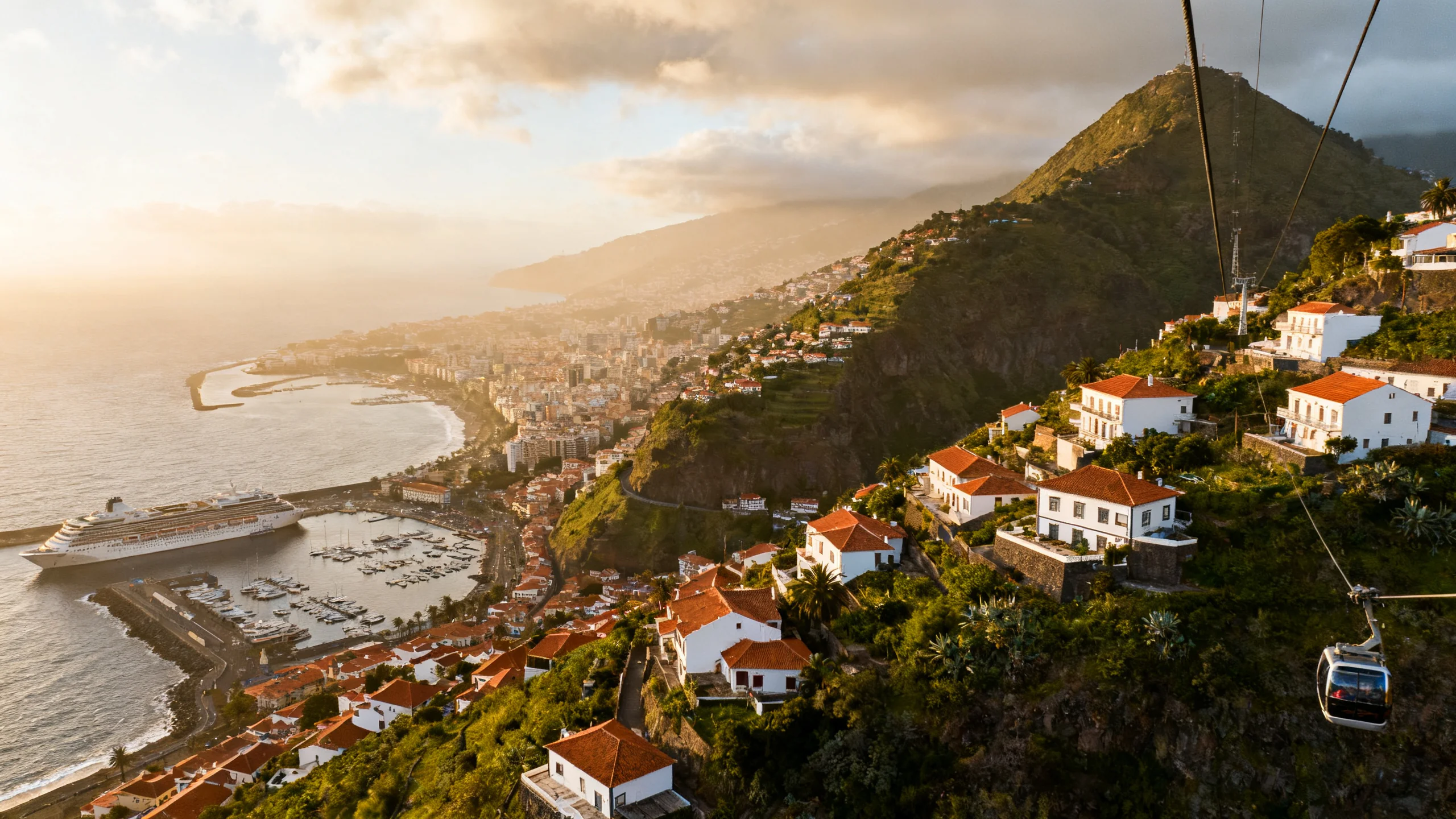
Funchal
The capital and cultural hub
The island capital on the south coast. Cobbled old town, the cable car up to Monte and its tropical garden, the toboggan ride, the covered market, and the largest concentration of hotels and restaurants on the island.
- Best for:
- First-time visitors, city base, food and wine
- Suggested stay:
- 2–4 days
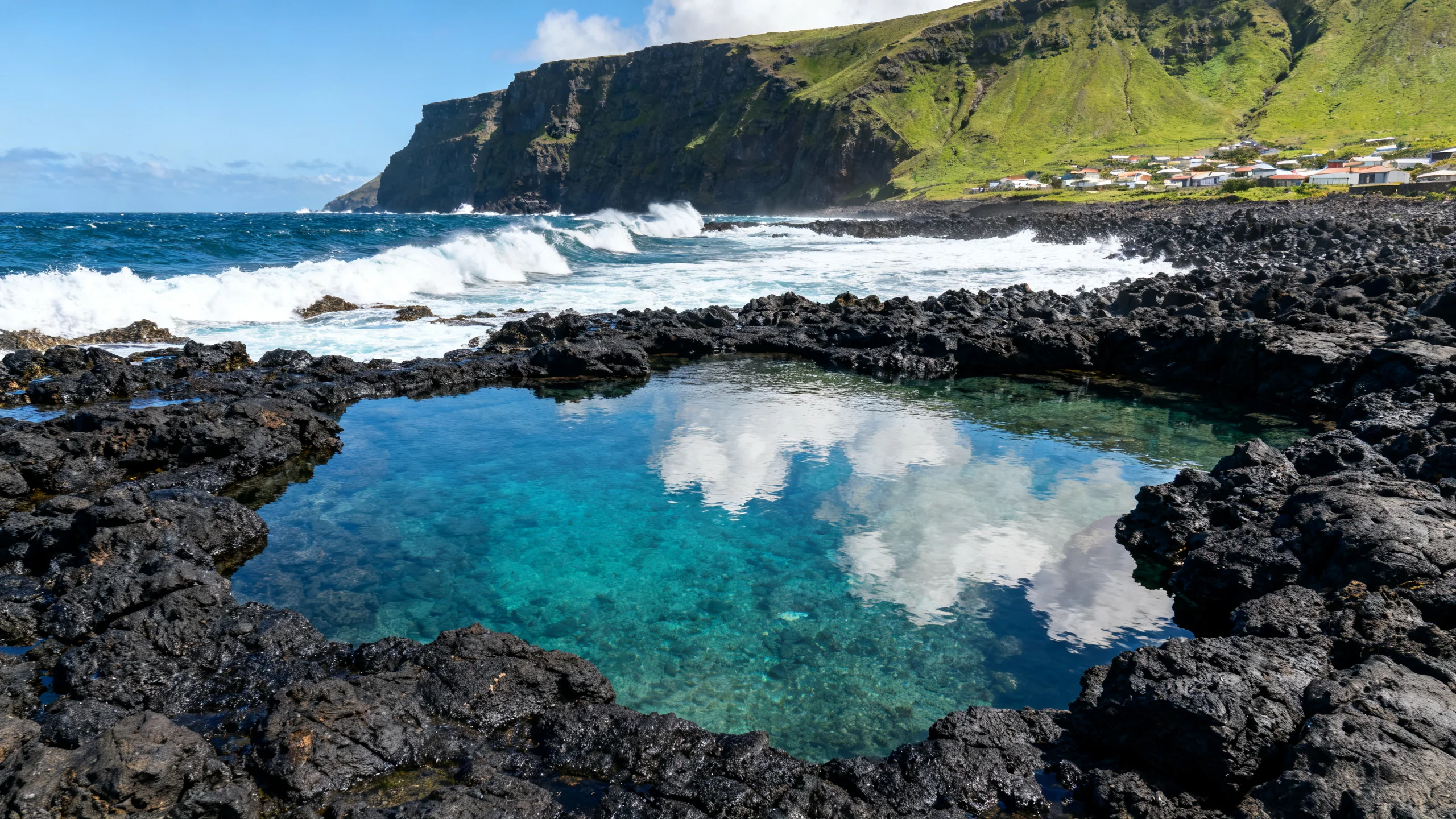
North Coast
Rugged green coast
The wild, wet side of the island: São Vicente in its deep valley, the natural lava pools of Porto Moniz, the thatched A-frame houses of Santana, and a coast road carved straight into the cliffs.
- Best for:
- Dramatic scenery, sea pools, photography
- Suggested stay:
- 1–2 days
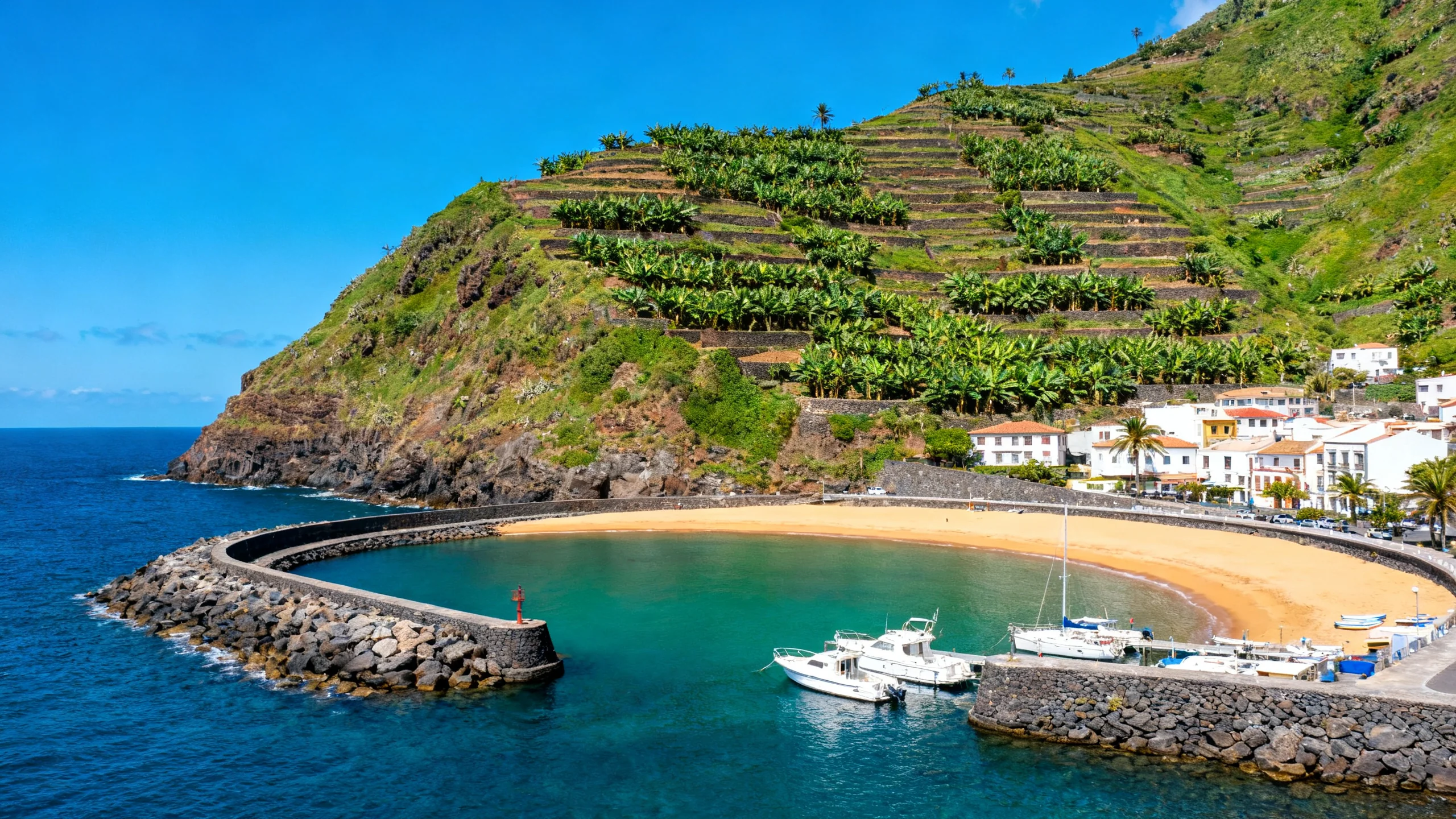
West
The sunniest corner
Calheta with its man-made sandy beach, the laid-back town of Ponta do Sol, and the high Paul da Serra plateau. The driest, sunniest part of Madeira and the gateway to several of the best levada walks.
- Best for:
- Sun, beaches, levada walks
- Suggested stay:
- 1–2 days
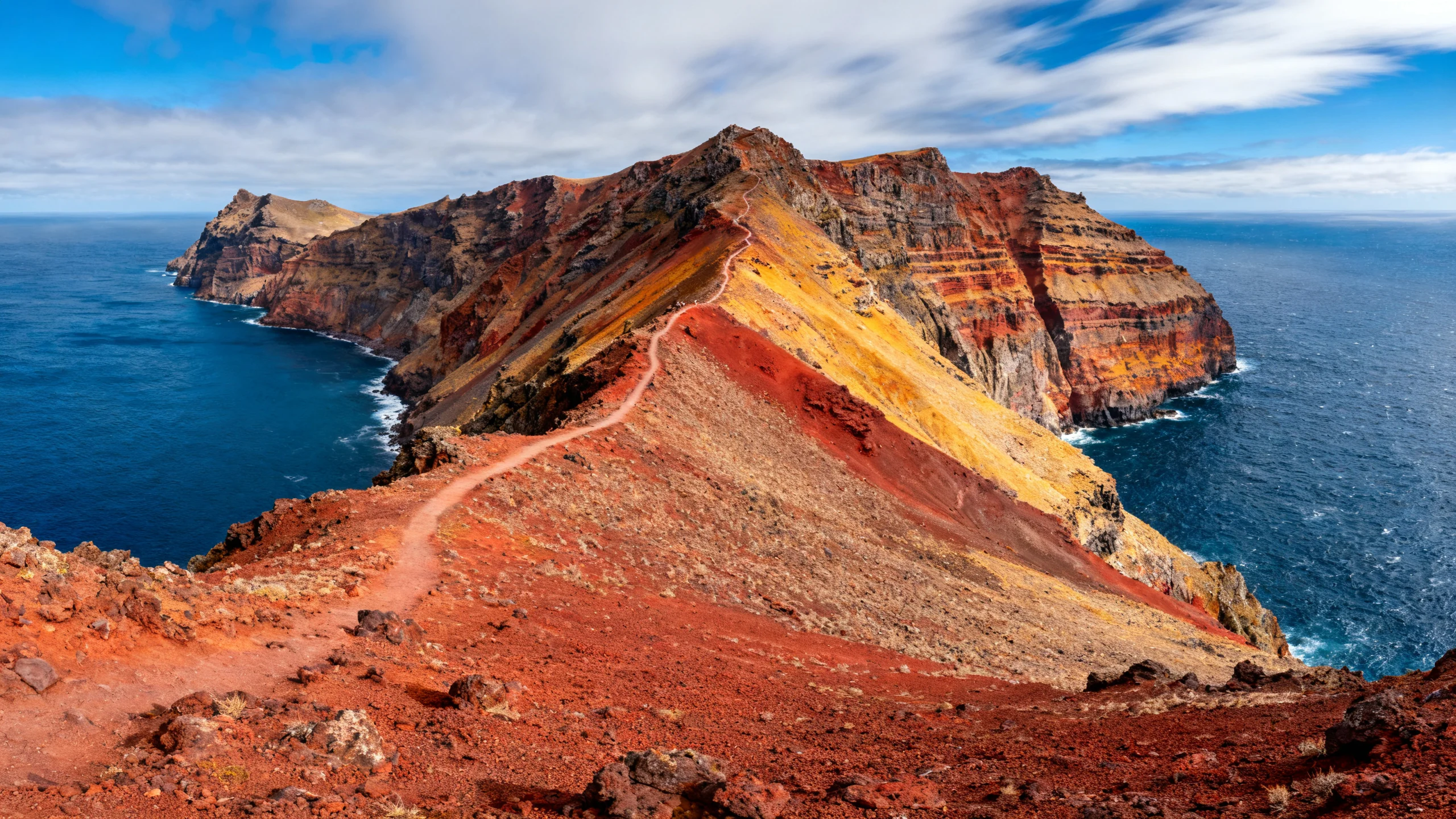
East
Beaches and the peninsula
Machico, where the first settlers landed, the fishing village of Caniçal, and the bare red-rock Ponta de São Lourenço peninsula — the most distinctive coastal hike on the island.
- Best for:
- Coastal hiking, history, the airport area
- Suggested stay:
- 1 day
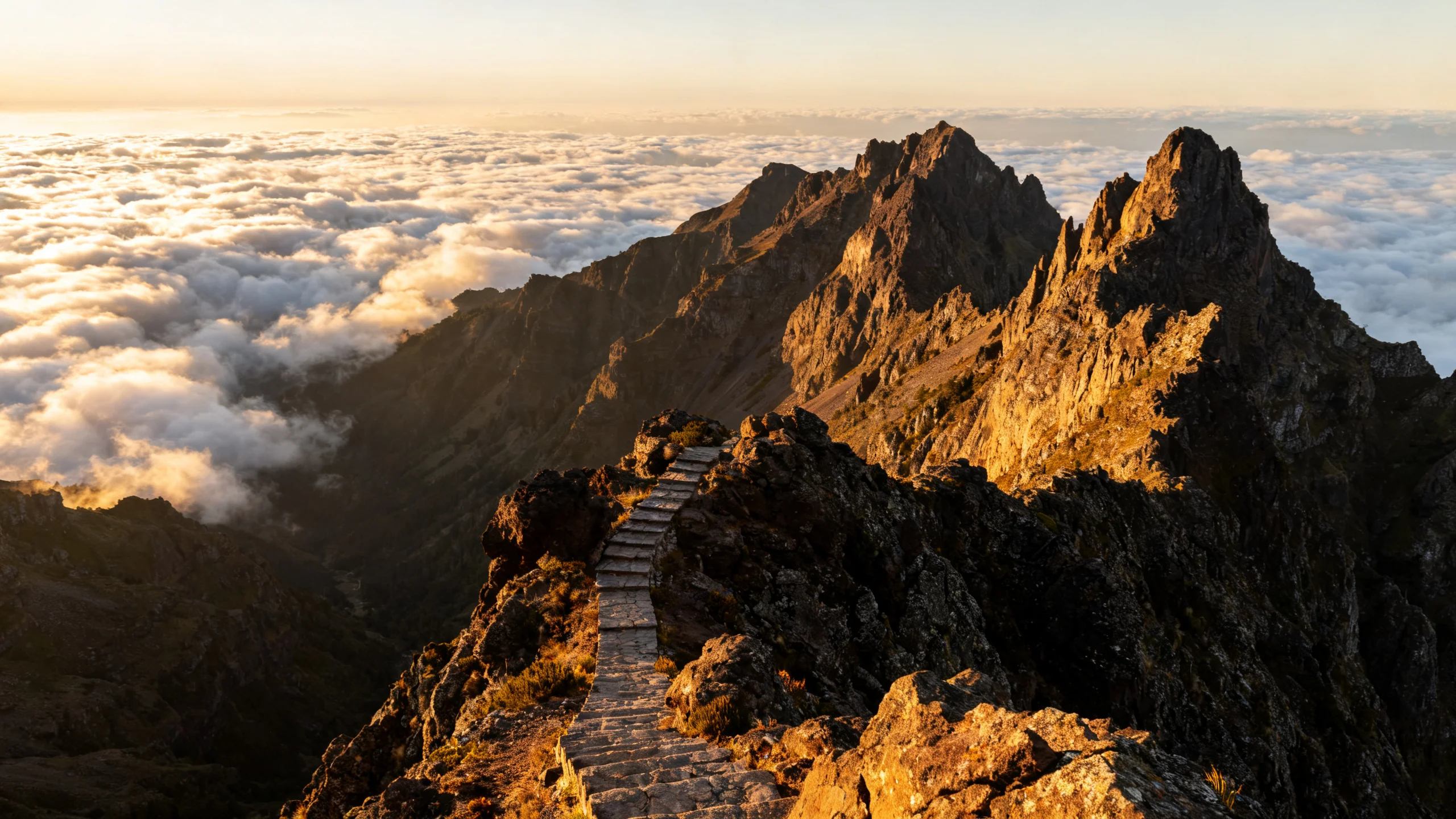
Central Mountains
The highland massif
The roof of Madeira: Pico Ruivo (1,862 m) and Pico do Arieiro joined by a famous ridge trail, the ancient laurisilva forest around Ribeiro Frio, and the cradle-valley village of Curral das Freiras.
- Best for:
- Hikers, the laurel forest, mountain views
- Suggested stay:
- 1–2 days
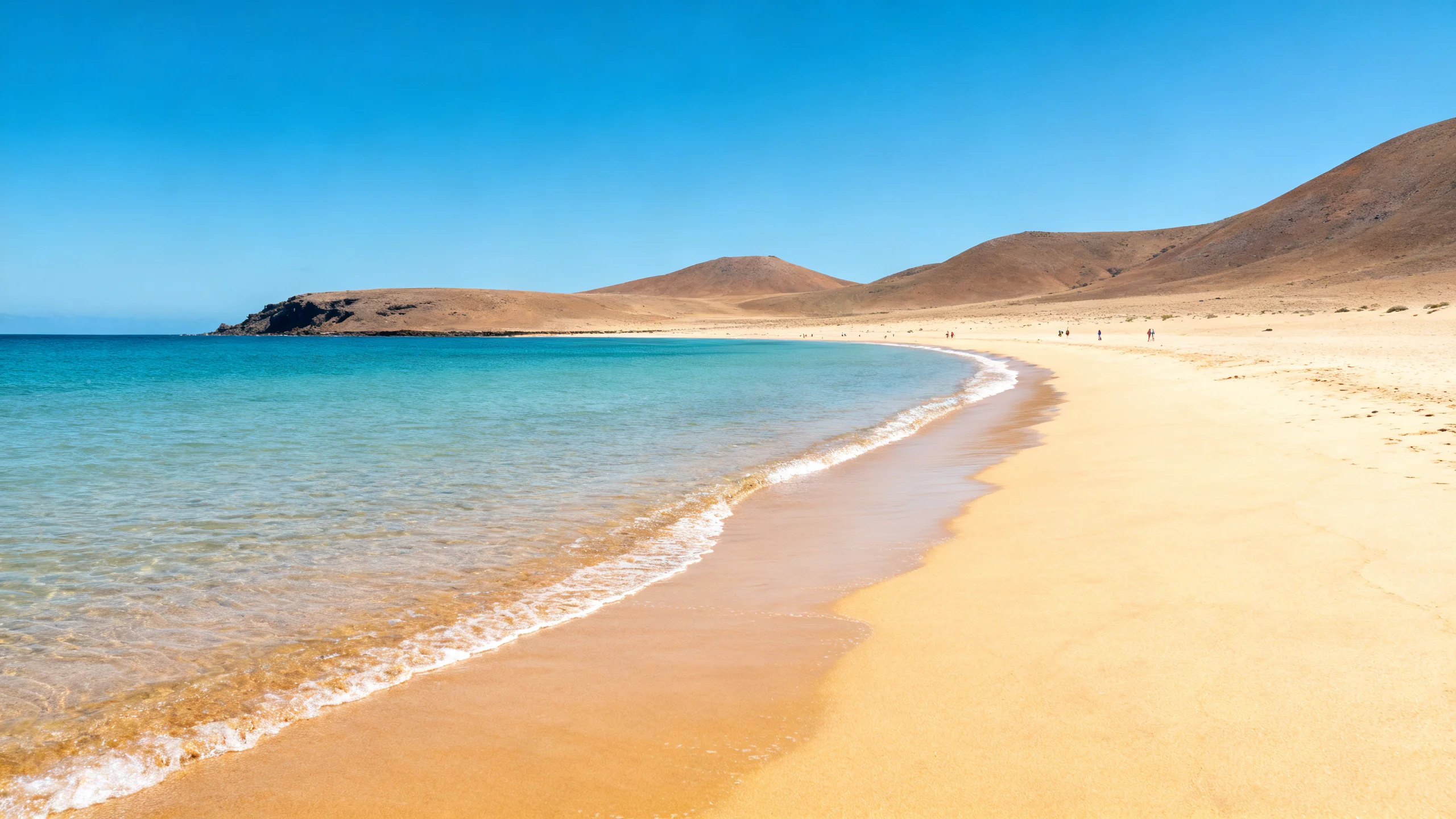
Porto Santo
The sister island
A separate island a ferry ride away, built around nine uninterrupted kilometres of golden sand. Flat, dry, and quiet — the beach holiday Madeira itself does not really offer.
- Best for:
- Beach days, golf, a slower pace
- Suggested stay:
- 1–3 days
Logistics
Getting around Madeira
Madeira is one main island. A rental car is the simplest way to see it: the modern network of tunnels and motorways means you can cross from one end to the other in around an hour and a half. Roads in the mountains are steep and winding, so allow extra time for the interior.
-
By car
The recommended option. Base yourself once — usually in or near Funchal — and reach any region as a comfortable day trip. Parking in central Funchal is the main inconvenience.
-
To Porto Santo
The Porto Santo Line ferry sails from Funchal in about 2 hours 15 minutes, with a daily service most of the year. A short flight from Madeira Airport is the faster alternative for a day trip.
FAQ